

Freedom
from mental
illness, finally
Specialist rTMS - a state of the art treatment for depression, anxiety, OCD and more.
Evidence-based, non-invasive, delivered under the care of a consultant psychiatrist.
You deserve to feel like yourself again.
Living with mental illness is exhausting. Not just the sadness - the heaviness, the lost days, the feeling that nothing quite reaches you anymore.
Somewhere between 2 to 3 million people in the UK suffer from a depressive illness that hasn't responded adequately to antidepressant medication. If you're one of them, it can feel like you've tried everything. If that sounds familiar, you are not alone. And you are not out of options.
Repetitive Transcranial Magnetic Stimulation (rTMS) is a safe, non-invasive treatment that uses targeted magnetic pulses to stimulate areas of the brain involved in mood regulation - no medication, no anaesthesia, no hospital stay.
Over three decades of clinical research across the world has demonstrated that rTMS can deliver meaningful, lasting improvement for people living with treatment-resistant depression, anxiety, OCD, and PTSD.
rTMS is recommended by NICE in the UK as well as being approved by the FDA in the USA. It is an established, evidence-based treatment - and we are proud to bring it to Cheltenham and the wider Gloucestershire region.
Whether medication hasn't worked for you, or you're looking for an alternative to pharmacotherapy, we're here to help you find a way forward.
TMS Cheltenham
We are here to change lives.
We are here for you.
Many experience full remission
FDA approved
No systemic side effects
No Hospitalisation
Precision brain stimulation — without medication
Repetitive Transcranial Magnetic Stimulation (rTMS) uses focused magnetic pulses to modulate activity in specific brain regions involved in mood, anxiety, and cognition. The coil is placed gently against your scalp — you remain fully awake throughout.
Each session typically lasts 20–40 minutes. A full course involves 20–30 sessions over 4–6 weeks. Most patients notice changes in the second or third week — sometimes sooner.
No sedation or anaesthesia needed
Sessions fit around your schedule
No weight gain or sexual side effects
Drive to & from appointments
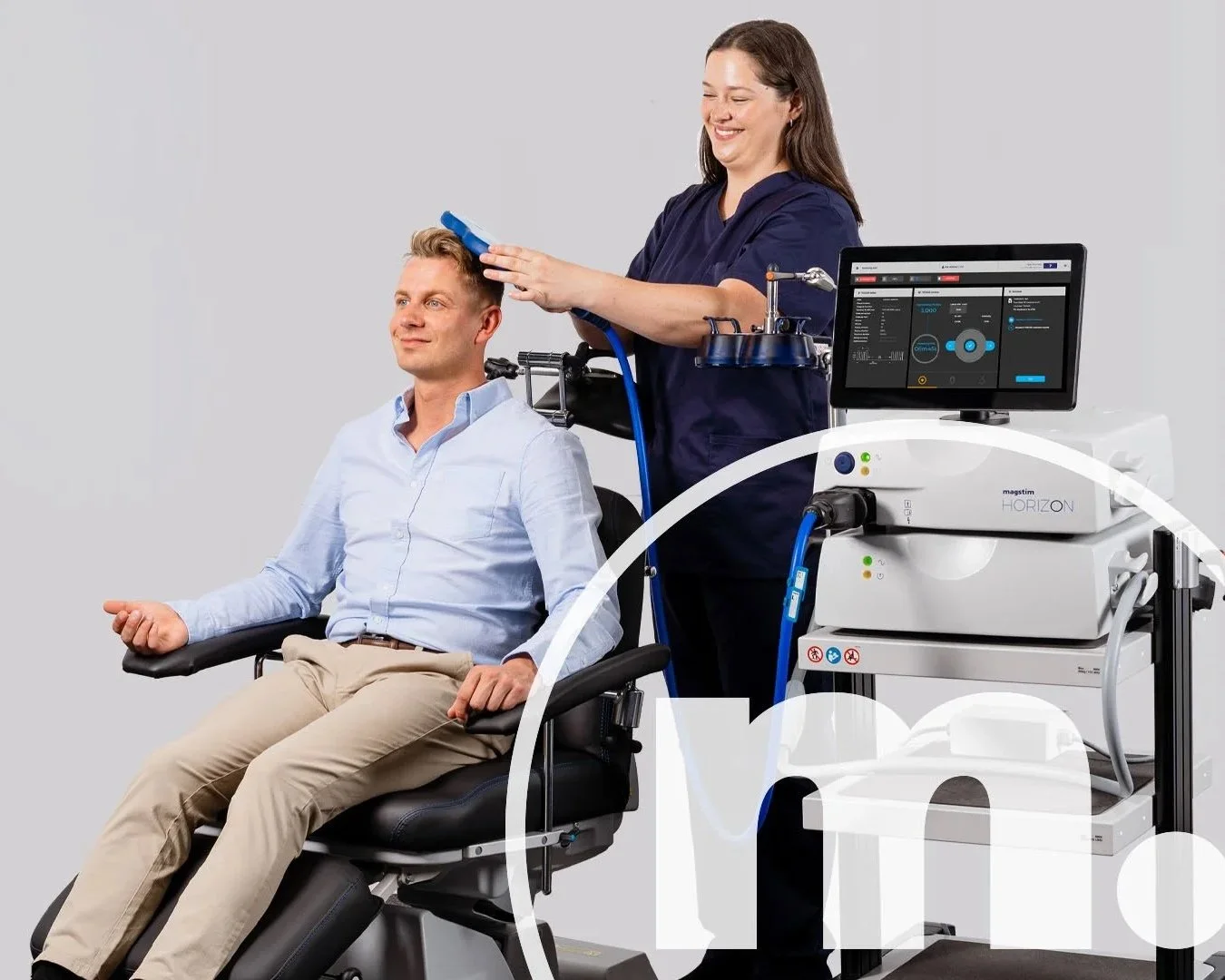
Restoring balance in the brain’s mood‑regulating networks
Many mental health conditions involve disrupted communication between key areas of the brain - particularly an imbalance between the left and right prefrontal circuits responsible for mood, motivation, and emotional regulation. In depression, for example, the left side often becomes underactive while the right side becomes comparatively overactive. rTMS uses focused magnetic pulses to help rebalance these networks. By stimulating the areas that are underactive—and calming those that are overactive—rTMS supports healthier neural activity and strengthens the pathways involved in stable mood and clearer thinking. rTMS modulation encourages the brain to form lasting network connections through what is known as neuroplastic change, this contributes to lasting improvement.
Evidence-based rTMS for a range of psychiatric conditions
rTMS can treat the following conditions, supported by published clinical trial evidence.
Your Treatment Options
Two Pathways,
Equally Effective
Both treatment protocols are clinically proven and deliver similar outcomes. The right choice depends on your lifestyle, schedule, and personal preference.
Standard rTMS
Repetitive Transcranial Magnetic Stimulation
Sessions are scheduled across six weeks, fitting around your existing commitments. Each appointment lasts around 30–40 minutes, making it easy to slot into your working day.
- 5 sessions per week, Monday to Friday
- Appointments fit around work and daily life
- Gradual improvement over the treatment course
- Well-established protocol with extensive clinical evidence
Best suited for
People who prefer a steady, manageable routine and want treatment to integrate seamlessly alongside work, family, and everyday life.
iTBS Intensive
Intermittent Theta Burst Stimulation
The full course is delivered across a single concentrated week. Multiple shorter sessions per day mean faster results. Ideal if you want to complete treatment quickly.
- Multiple sessions per day over one working week
- Complete your full course in just 5 days
- Rapid onset — benefits emerge within the week
- Based on the Stanford Accelerated protocol research
Best suited for
People who want results as quickly as possible, are able to dedicate a full week, or are travelling to the clinic for treatment.
Not sure which is right for you? During your initial consultation, we'll discuss both options in detail and help you choose the protocol that best fits your circumstances and treatment goals.
From first enquiry to feeling better
A clear, supported pathway - every step overseen by one Consultant Psychiatrist.
Initial Enquiry
Contact us by phone, email, or the enquiry form for an initial conversation. No pressure, no obligation.
Psychiatric Assessment
Your treatment journey begins with an in-depth face-to-face assessment with our Consultant Psychiatrist.
Consent & Planning
If rTMS is likely to benefit you, our Consultant Psychiatrist will plan your personalised treatment protocol with you - helping you understand what you can expect from treatment.
Treatment Course
A typical treatment course consists of 20 to 30 daily treatment sessions over 4 to 6 weeks, each session lasts around 20 minutes. We can offer flexible treatment slots. Drive yourself, minimal interruption.
Review & Aftercare
End-of-course review with our Consultant Psychiatrist. We will discuss any discharge or follow up plans with you.
Consultant-led. Holistic. Genuinely personal.
TMS Cheltenham is a specialist private practice led by a Consultant Psychiatrist with expertise in treatment-resistant mood disorders and interventional psychiatry.
Unlike many rTMS providers, every patient is seen, assessed, and managed by the same consultant and TMS practitioner throughout — offering you continuity of care and a friendly, personalised service. Treatment is set in the context of your whole clinical picture, including medication, therapy, nutrition, and lifestyle.
We are based in Cheltenham, serving patients across Gloucestershire, the Cotswolds, and the wider South West. Some patients from further afield may choose to stay in one of Cheltenham's excellent hotels and undergo one of our 5-day intensive, theta-burst treatment protocols
Personalised Care - Consultant Psychiatrist-Led
Every assessment, consent decision, and clinical review is conducted personally by a GMC-registered Consultant Psychiatrist — not delegated to technicians or nurses.
Holistic Treatment Approach
We can help you integrate rTMS into a broader, holistic treatment plan that looks at pharmacotherapy, evidence-based psychotherapy, nutrition, and lifestyle medicine where relevant.
Full Diagnostic Work-Up
We do not offer rTMS without a thorough psychiatric assessment and understanding of your needs.
Validated Outcome Monitoring
We monitor your progress and response throughout your treatment cycle. You always know whether treatment is working.
GP & Referrer Communication
We work closely with other clinicians involved in your care. Your care is coordinated, not siloed.
Meet the Team
-
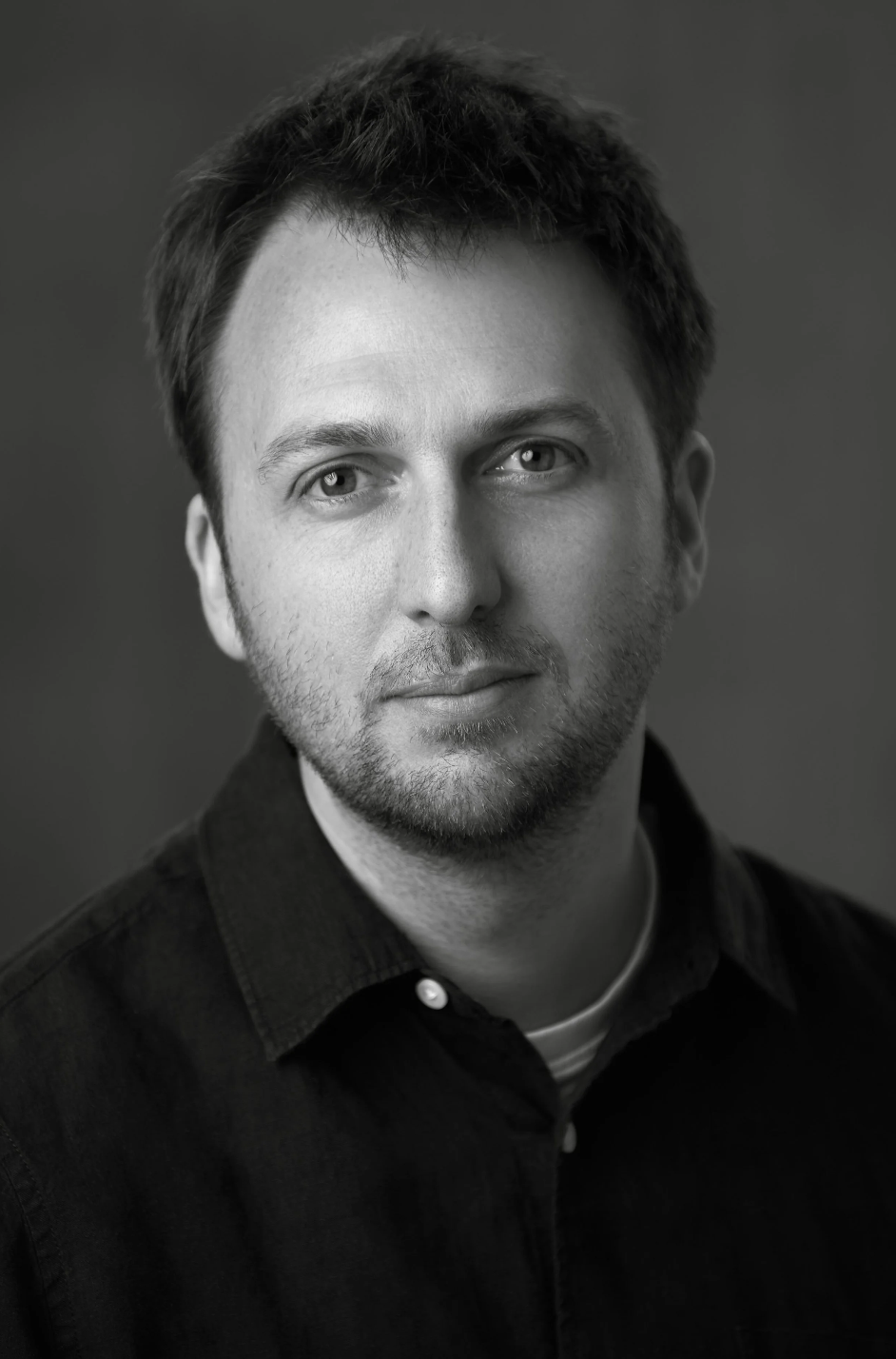
Dr Joe Ramsay
Consultant Psychiatrist
Co-Founder & Medical Director
-
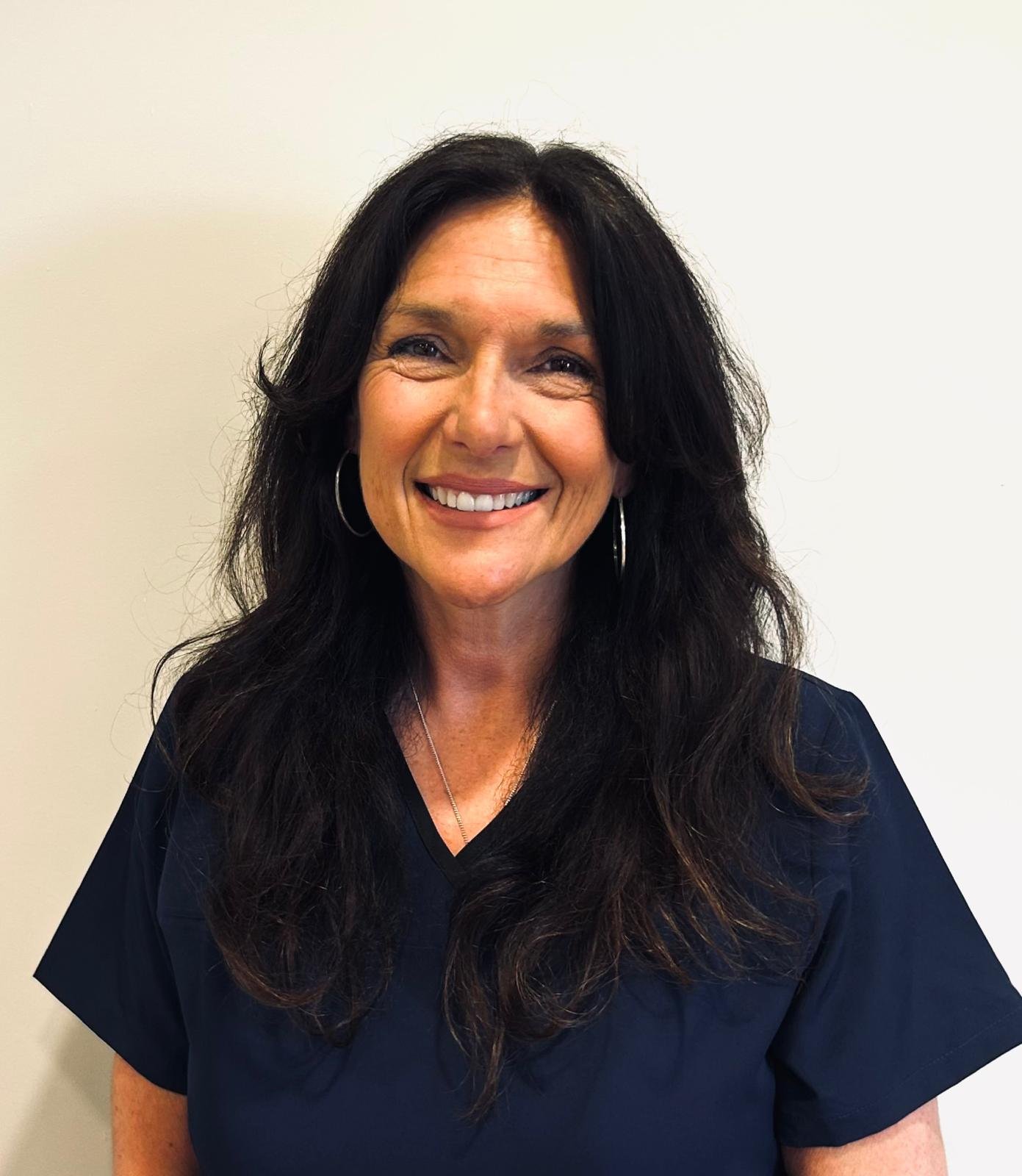
Sarah Gallucci
TMS Practitioner
Co-Founder & Service Manager
Everything you need to know before you enquire
If your question isn't answered here, please get in touch — we're happy to speak with you before any commitment is made.
"We believe that informed patients make better decisions. Our goal is never to persuade — it's to help you understand whether rTMS is genuinely right for you."
Begin your consultation
The first step is a conversation. Fill in the form below and we will contact you within one working day — no pressure and no obligation.
The Health Hub, GL52 7AH